
Discovery & diagnosis · Essay 083
The buying committee has several risks to manage
The Accidental Salesman Editorial Desk · 2 min read · Published 15 October 2026
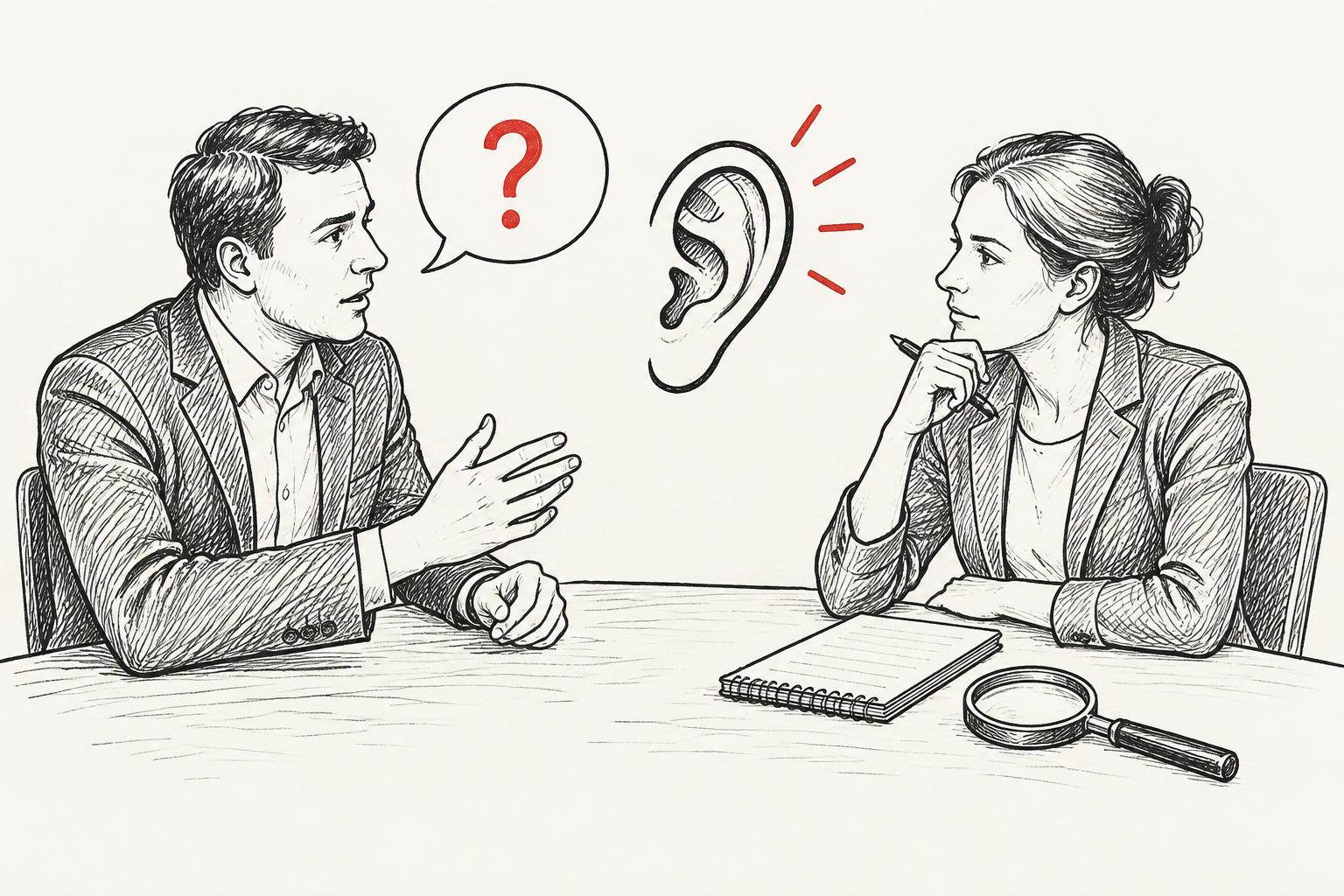
A group of buyers can agree that a problem matters while disagreeing about the safest response. Finance worries about return, operations about disruption, users about workload and leadership about strategic fit. More persuasion directed at one sponsor may not resolve those differences.
Map the concerns by role without reducing people to stereotypes. Ask each stakeholder what a successful decision must protect and what could make the project unacceptable. Their answers should shape the evaluation and delivery plan.
Distinguish disagreement about facts from disagreement about priorities. Additional evidence may resolve the first. The second may require a decision about whose objective takes precedence or how tradeoffs will be handled.
Create a shared record of the options and risks. It should be clear where there is agreement, where uncertainty remains and who can resolve it. A polished consensus statement that conceals disagreement may help the proposal pass one meeting and fail during implementation.
Avoid making your sponsor carry every conversation alone. Ask for an appropriate opportunity to address relevant stakeholders, while respecting the organisation's process. The objective is informed agreement, not a collection of private commitments that contradict one another.
Complex selling is partly the work of making a decision coherent across people with legitimate differences. A supplier who helps the group see those differences clearly can add value before the contract is signed.
Put it to work
A practical next step
Create a stakeholder table with desired outcome, main concern, evidence needed and decision role. Ask the sponsor to correct it and identify which unresolved concern could block the purchase.
Proposed practice, not a completed experiment. Illustrations are not client testimony.
Sources & limits
This essay is editorial interpretation from the supplied manuscript, not an empirical research report. No external study is cited for its recommendations.
Source: The work of winning trust, editorial review edition, 15 October 2026, p. 100. No publication history is inferred from its sequence dates.