
Discovery & diagnosis · Essay 085
A champion needs evidence they can carry
The Accidental Salesman Editorial Desk · 2 min read · Published 15 October 2026
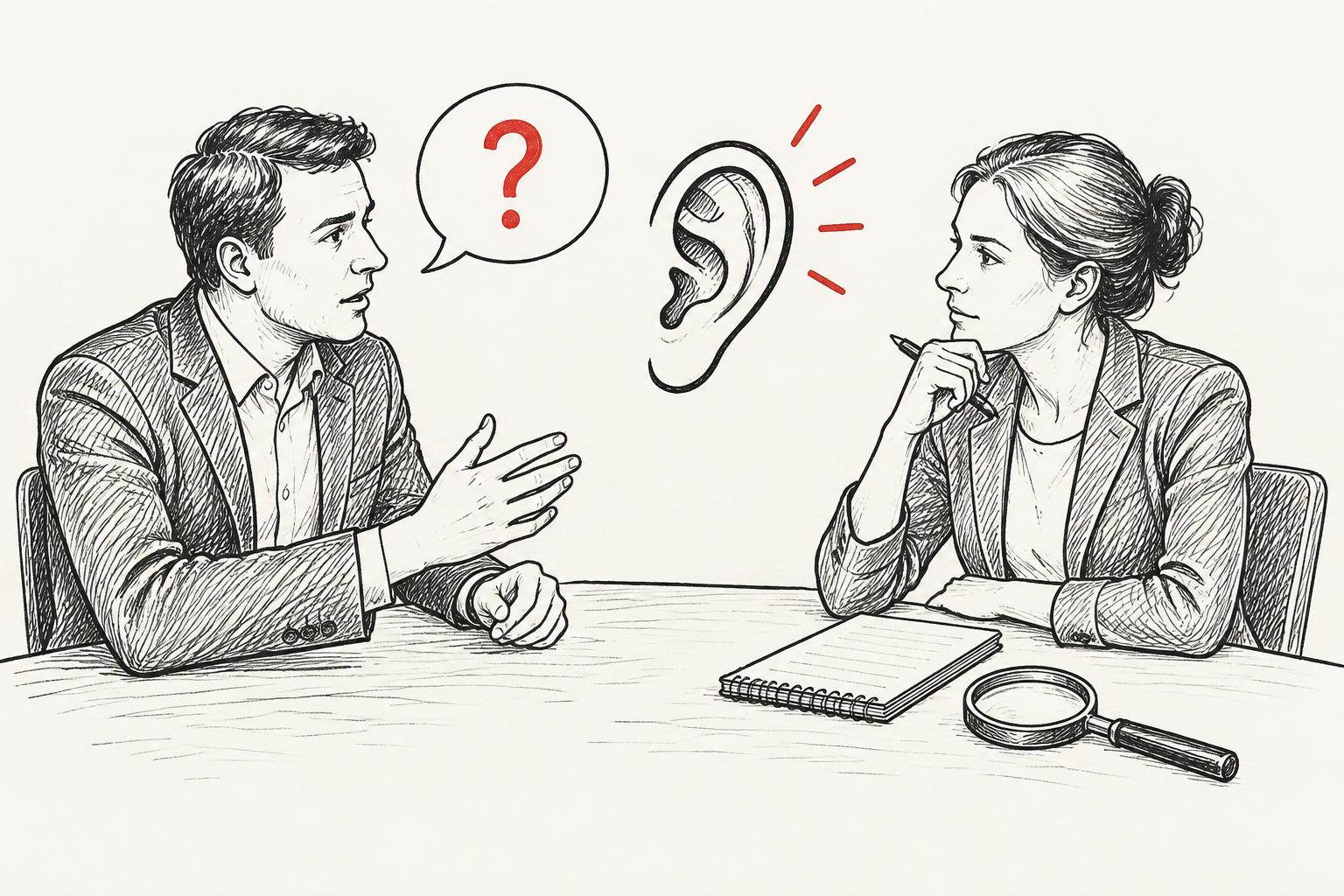
A sponsor may believe in your work but struggle to explain it internally. Their colleagues do not share the hours of discussion that produced the recommendation. They need a compact account of the problem, the options and the reasons for the proposed choice.
Build material for reuse. A one-page decision note, a clearly defined scope and a small set of relevant evidence can travel through the organisation more effectively than a presentation that depends on your delivery.
Keep the claims defensible. The sponsor should be able to explain where a number came from and what assumption it relies on. Do not equip them with a dramatic benefit estimate that becomes embarrassing when finance asks for the calculation.
Anticipate the most consequential objection. If the project requires staff time, show the expected demand. If implementation risk is the concern, describe the staged approach and stop conditions. Match evidence to the actual concern rather than adding more general credentials.
Ask what the sponsor is comfortable saying. They may support the investigation without being ready to endorse a full rollout. Represent that level of commitment accurately.
A strong champion does not need to become your salesperson. They need enough understanding to make and defend their own recommendation. Helping them do that respects their responsibility to the organisation and creates a more reliable basis for the purchase.
Put it to work
A practical next step
Give the sponsor a short evidence pack and ask which question they still could not answer. Treat that gap as the next task, rather than adding more pages to the proposal.
Proposed practice, not a completed experiment. Illustrations are not client testimony.
Sources & limits
This essay is editorial interpretation from the supplied manuscript, not an empirical research report. No external study is cited for its recommendations.
Source: The work of winning trust, editorial review edition, 15 October 2026, p. 102. No publication history is inferred from its sequence dates.