
Discovery & diagnosis · Essay 086
Security review is a trust conversation
The Accidental Salesman Editorial Desk · 2 min read · Published 15 October 2026
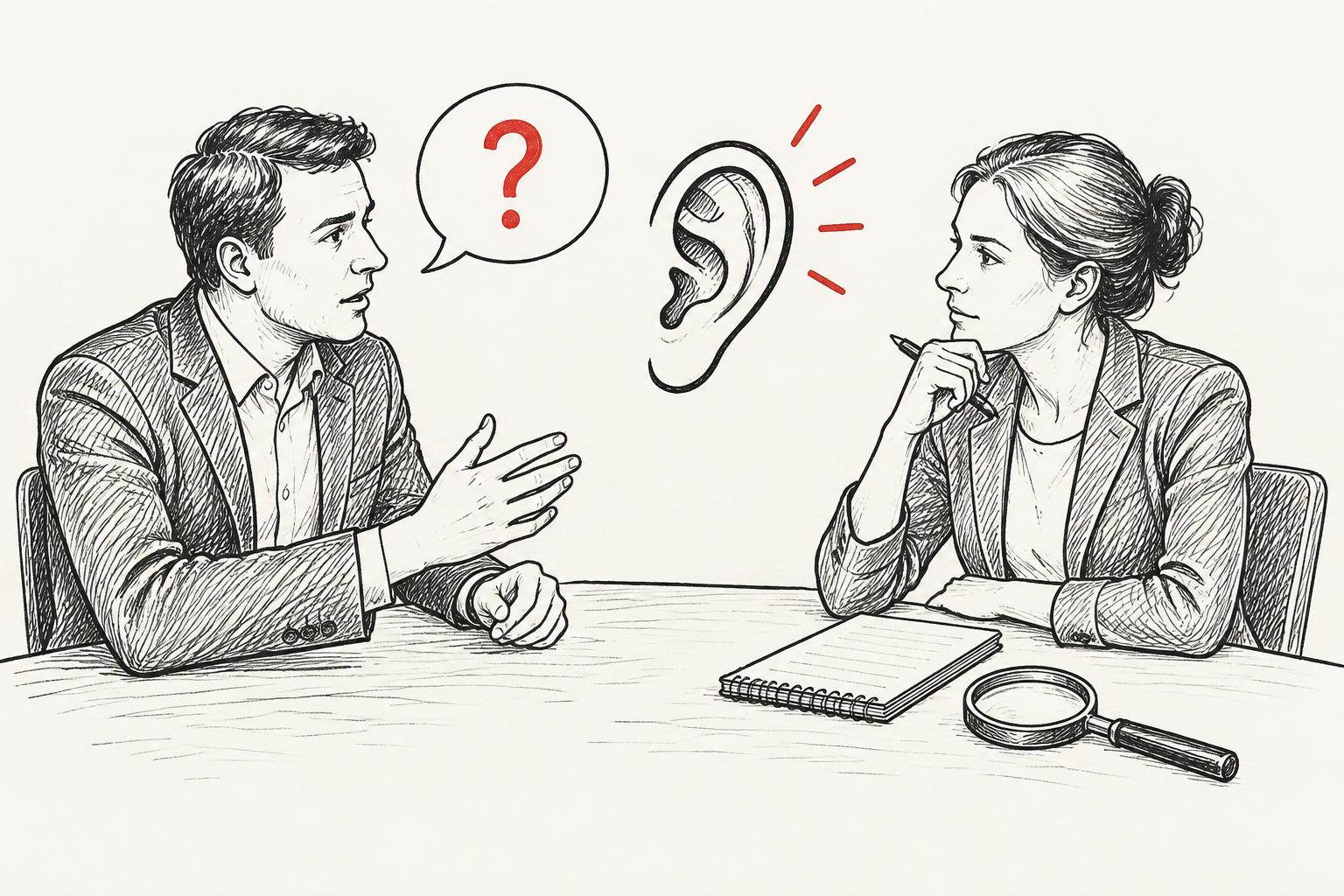
When a service involves access to systems or information, the buyer's security questions are part of assessing whether the relationship is responsible. Treating them as administrative friction can create doubt about the supplier's judgment.
Explain what access is required and why. Distinguish necessary information from convenient information. A narrower request can reduce review effort and exposure while still allowing useful work.
Provide accurate documentation of the actual operating arrangement. Do not promise a control because it sounds standard or appears in another supplier's response. If a question requires technical or contractual expertise, involve the appropriate owner.
Separate current capability from a planned improvement. A control being implemented is not the same as a control already operating. The buyer can decide whether a plan is acceptable if the distinction is clear.
Discuss alternatives where a requirement cannot be met. Redacted data, a different environment or a narrower initial scope may make the engagement feasible. Any alternative should be assessed by the responsible people rather than improvised by the salesperson alone.
The quality of this conversation signals how the firm will behave when faced with uncertainty during delivery. Precise answers, clear ownership and an honest account of limits can support trust more effectively than a rapid set of unverified assurances.
Put it to work
A practical next step
Prepare an access map before the review: information needed, purpose, users, handling and end-of-engagement arrangements. Have the relevant owner verify it before sharing it with the buyer.
Proposed practice, not a completed experiment. Illustrations are not client testimony.
Sources & limits
This essay is editorial interpretation from the supplied manuscript, not an empirical research report. No external study is cited for its recommendations.
Source: The work of winning trust, editorial review edition, 15 October 2026, p. 103. No publication history is inferred from its sequence dates.