
Discovery & diagnosis · Essay 054
A loss review should change a future decision
The Accidental Salesman Editorial Desk · 2 min read · Published 15 October 2026
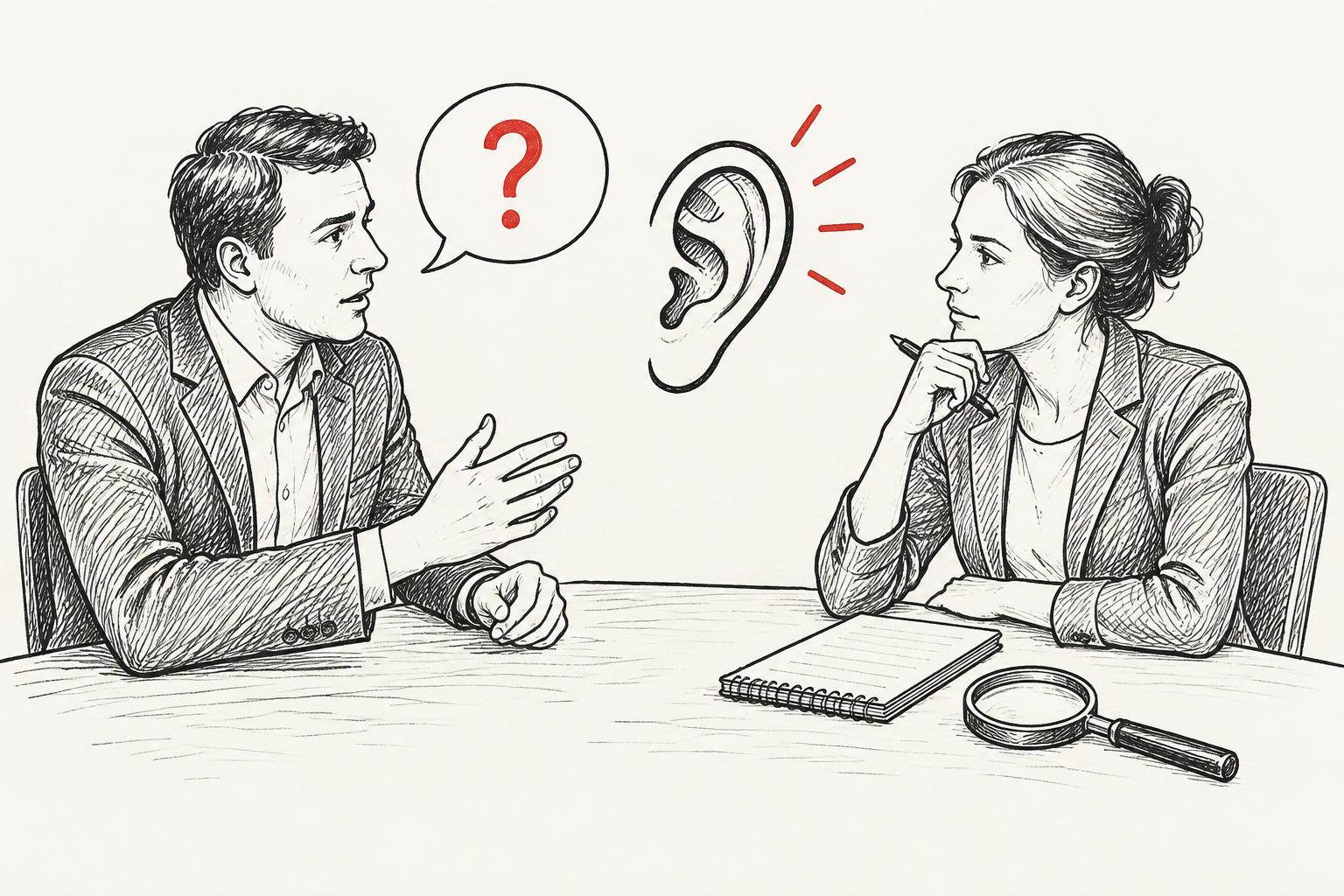
Asking why you lost can produce a polite answer rather than a complete one. Buyers may prefer to say "price" instead of discussing confidence, internal politics or an uncomfortable meeting. The answer is useful, but it needs context.
Ask about the decision process. Which factors mattered most? What alternatives were considered? When did the preference become clear? What information was missing from your offer? These questions invite a more specific account than "What could we have done better?"
Keep the conversation separate from an attempt to reopen the sale unless the buyer explicitly wants that. A disguised rebuttal teaches them that honest feedback will lead to more persuasion.
Compare the feedback with your own record. Did you identify the relevant stakeholders? Was the price a surprise? Were the criteria understood before the proposal? Some lessons concern execution; others concern whether the opportunity should have been pursued at all.
Avoid generalising from one loss. A buyer's preference for an established supplier may be decisive in that situation without proving that your positioning is wrong. Look for repeated patterns and note where the evidence remains thin.
End with a change you can test. A loss review that produces only reassurance or self-criticism has not done enough. The useful output is a better future choice about targeting, qualification, communication or delivery design.
Put it to work
A practical next step
Request a short feedback conversation after a suitable loss. Record the buyer's account separately from your interpretation, then identify one decision you would make differently next time.
Proposed practice, not a completed experiment. Illustrations are not client testimony.
Sources & limits
This essay is editorial interpretation from the supplied manuscript, not an empirical research report. No external study is cited for its recommendations.
Source: The work of winning trust, editorial review edition, 15 October 2026, p. 67. No publication history is inferred from its sequence dates.