
Tools & judgment · Essay 076
A meeting summary is not the meeting
The Accidental Salesman Editorial Desk · 2 min read · Published 15 October 2026
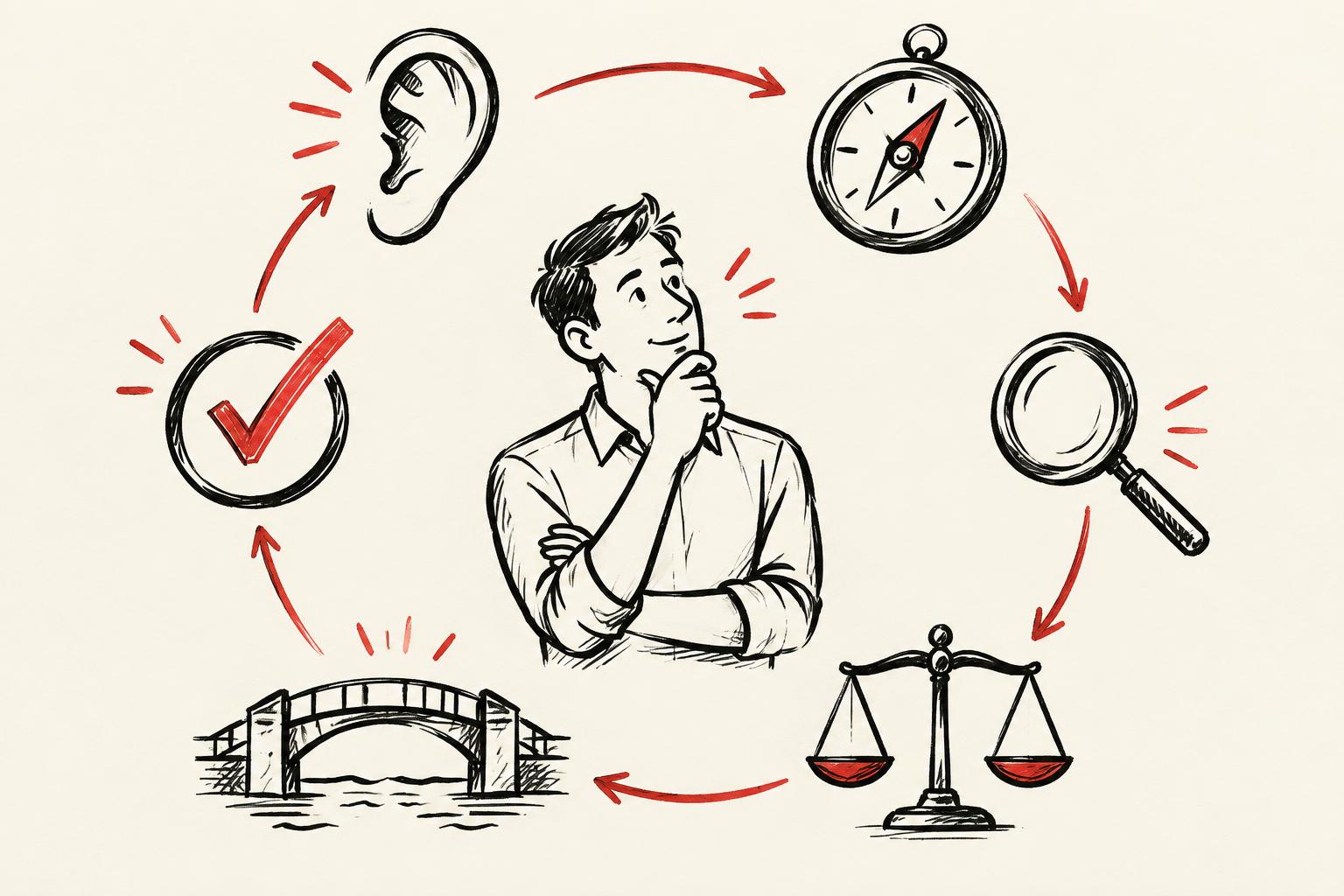
A summary compresses a conversation. In doing so, it can remove hesitation, disagreement and the difference between a suggestion and a commitment. Those distinctions matter when the summary becomes the basis for a proposal or project plan.
Review decisions and actions separately from general discussion. Who agreed to do what, by when? Which ideas were only explored? What remained unresolved? A useful summary should preserve these categories rather than blend them into a smooth narrative.
Check the source where wording matters. A buyer saying they "might be able to allocate someone" has not committed a resource. A generated action item can make that uncertainty disappear unless someone notices.
Share a concise confirmation with participants through the agreed channel. Invite corrections, especially around responsibilities and scope. Silence should not automatically be treated as approval of a materially new commitment.
Handle recordings and transcripts according to the permissions and information practices of the organisations involved. The commercial value of a summary does not remove the need to know what information can be captured, stored or shared.
The best workflow uses automation for the first pass and human attention for consequential distinctions. A perfect transcript is not required for every meeting, but a dependable record of decisions is worth the effort because future work will rely on it.
Put it to work
A practical next step
Review one summary against the underlying notes or recording. Count invented commitments, omitted disagreements and incorrect owners. Use those errors to define the mandatory review fields.
Proposed practice, not a completed experiment. Illustrations are not client testimony.
Sources & limits
This essay is editorial interpretation from the supplied manuscript, not an empirical research report. No external study is cited for its recommendations.
Source: The work of winning trust, editorial review edition, 15 October 2026, p. 92. No publication history is inferred from its sequence dates.