
Clients & capability · Essay 068
Cross-selling begins with permission to notice
The Accidental Salesman Editorial Desk · 2 min read · Published 15 October 2026
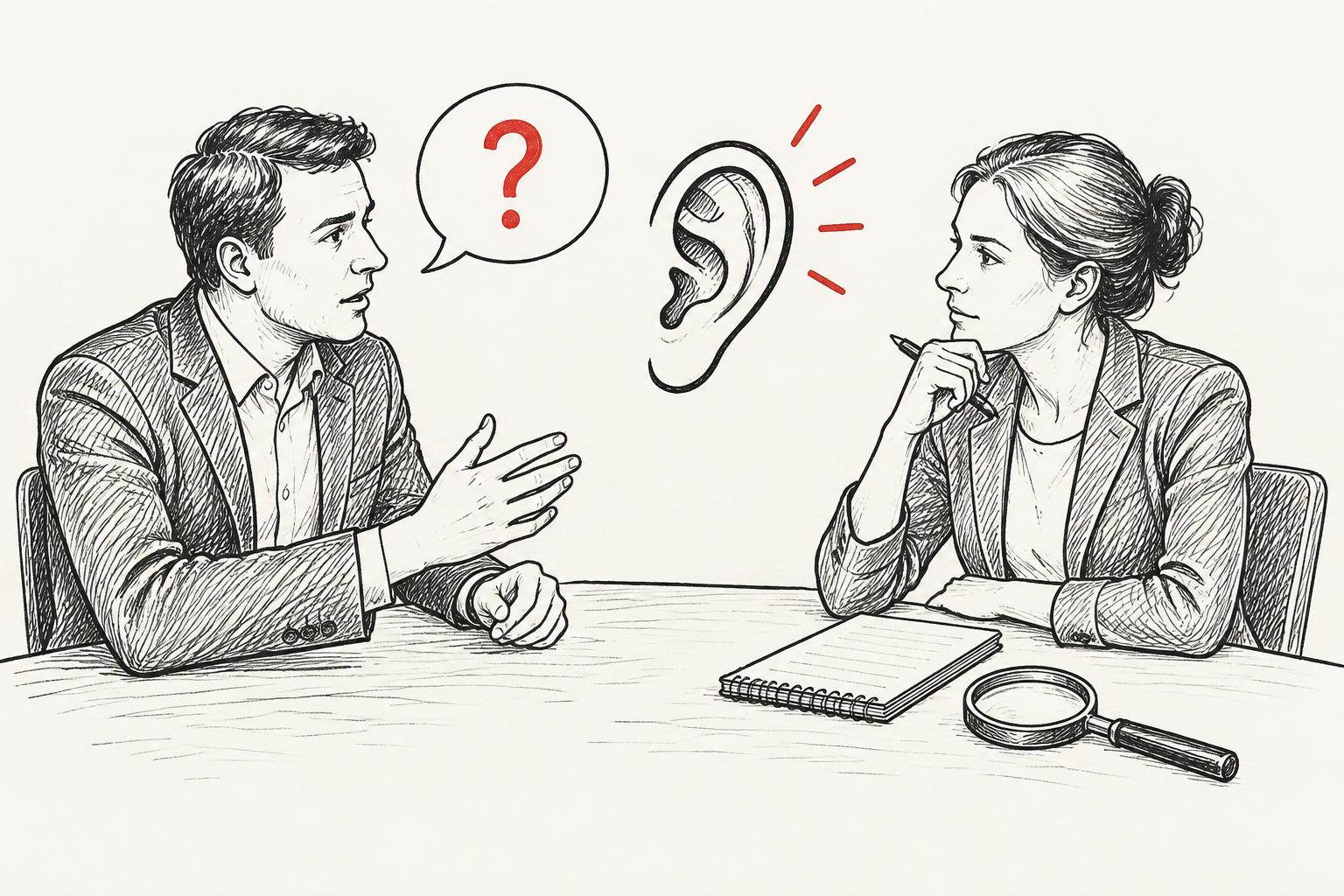
An adviser working closely with a client will see problems outside the original scope. Some deserve attention. Others are merely adjacent to something the supplier would like to sell. The distinction should be examined before opening a new commercial conversation.
Describe the observation and its possible consequence, then ask whether the client wants to explore it. Do not present an unsolicited diagnosis as settled fact. You may be seeing only one part of the organisation.
Keep the existing engagement intact. A client should not feel that every discussion is being mined for another sale. Continue delivering the agreed work while separating any new investigation or proposal.
If another specialist is better suited, say so. The value of noticing a problem lies partly in helping the client find appropriate help. Automatically steering every issue into your own catalogue undermines the position of trusted adviser.
Timing matters. A newly discovered weakness may be important but poorly timed for action. Agree whether to address it now, record it for a later review or leave it alone. The client's capacity and priorities belong in that decision.
Cross-selling works best as a consequence of understanding the client, with a clear boundary between observation, diagnosis and commercial recommendation. It becomes less credible when the supplier treats access as an entitlement to expand the account.
Put it to work
A practical next step
Use a three-step note: what was observed, why it might matter and what needs checking. Ask the client whether further investigation is useful before proposing an additional service.
Proposed practice, not a completed experiment. Illustrations are not client testimony.
Sources & limits
This essay is editorial interpretation from the supplied manuscript, not an empirical research report. No external study is cited for its recommendations.
Source: The work of winning trust, editorial review edition, 15 October 2026, p. 83. No publication history is inferred from its sequence dates.