
Clients & capability · Essay 072
End a client relationship well
The Accidental Salesman Editorial Desk · 2 min read · Published 15 October 2026
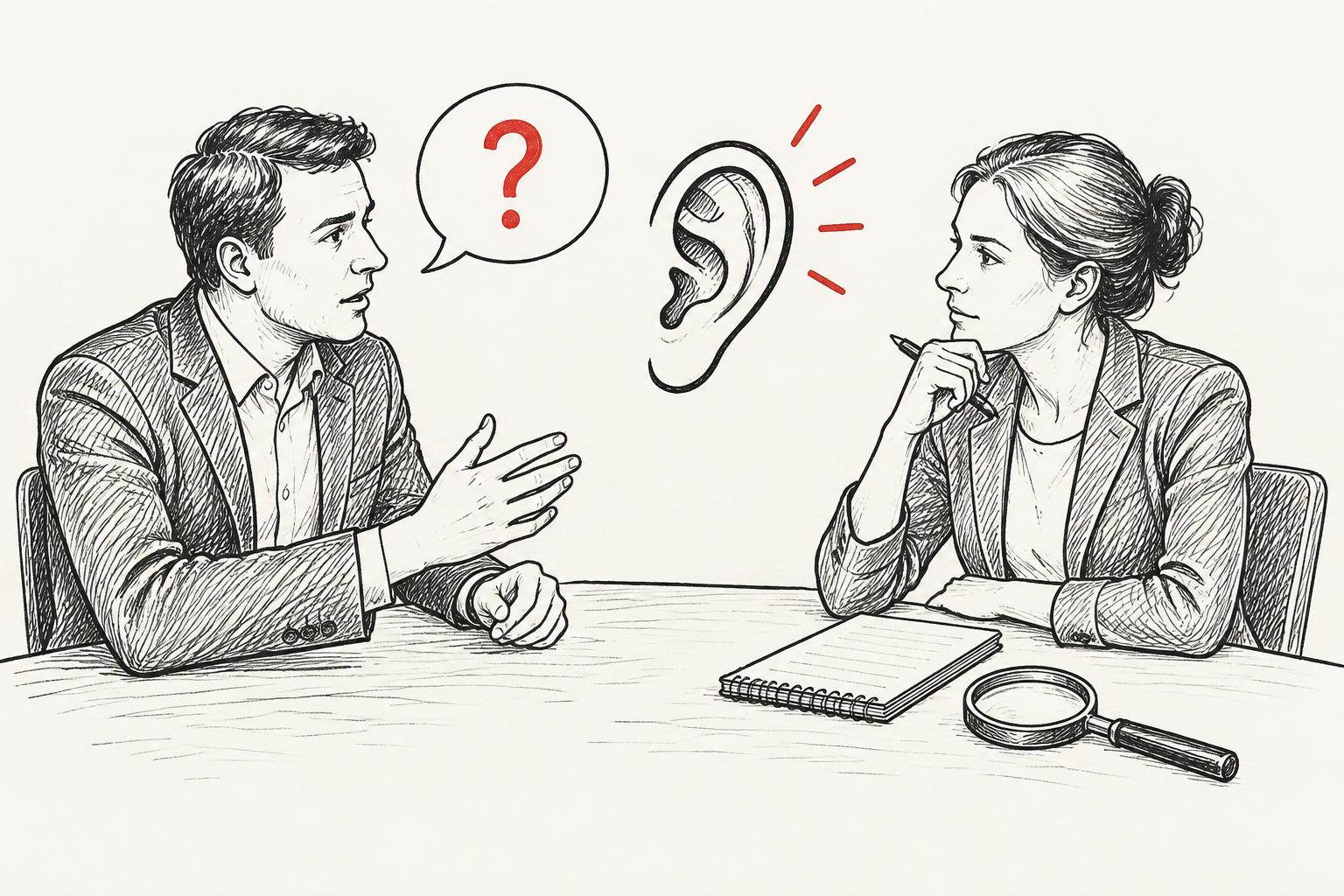
Some engagements should end. The work may be complete, the fit may have changed or the economics may no longer support a reliable service. Avoiding the conversation can turn an orderly transition into a sudden breakdown.
Establish the reason clearly before communicating. Separate dissatisfaction that can be resolved from a structural mismatch. If the problem is an unworkable scope or recurring delay, discuss the conditions needed for continuation rather than quietly withdrawing effort.
When ending is appropriate, give a practical transition plan consistent with the agreement. Identify remaining obligations, documents, access and decisions the client will need. A professional exit should not make the client dependent on your goodwill to recover their own information.
Keep the explanation factual and proportionate. There is little value in relitigating every frustration. State what is changing, when it changes and how the handover will work.
Review internally as well. Was the mismatch visible during qualification? Did the firm promise more than it could deliver? Did a reasonable exception become an unsustainable norm? The answer should influence future selling and scoping.
A well-managed ending can preserve trust even when the commercial relationship stops. The client may need different help later, or recommend you for work that fits better. More importantly, both parties can leave with their responsibilities understood.
Put it to work
A practical next step
Prepare an exit checklist covering commitments, knowledge transfer, access, commercial closure and final contact. Review the original qualification decision to identify one lesson for future engagements.
Proposed practice, not a completed experiment. Illustrations are not client testimony.
Sources & limits
This essay is editorial interpretation from the supplied manuscript, not an empirical research report. No external study is cited for its recommendations.
Source: The work of winning trust, editorial review edition, 15 October 2026, p. 87. No publication history is inferred from its sequence dates.