
Discovery & diagnosis · Essay 051
Teach enough to reveal the decision
The Accidental Salesman Editorial Desk · 2 min read · Published 15 October 2026
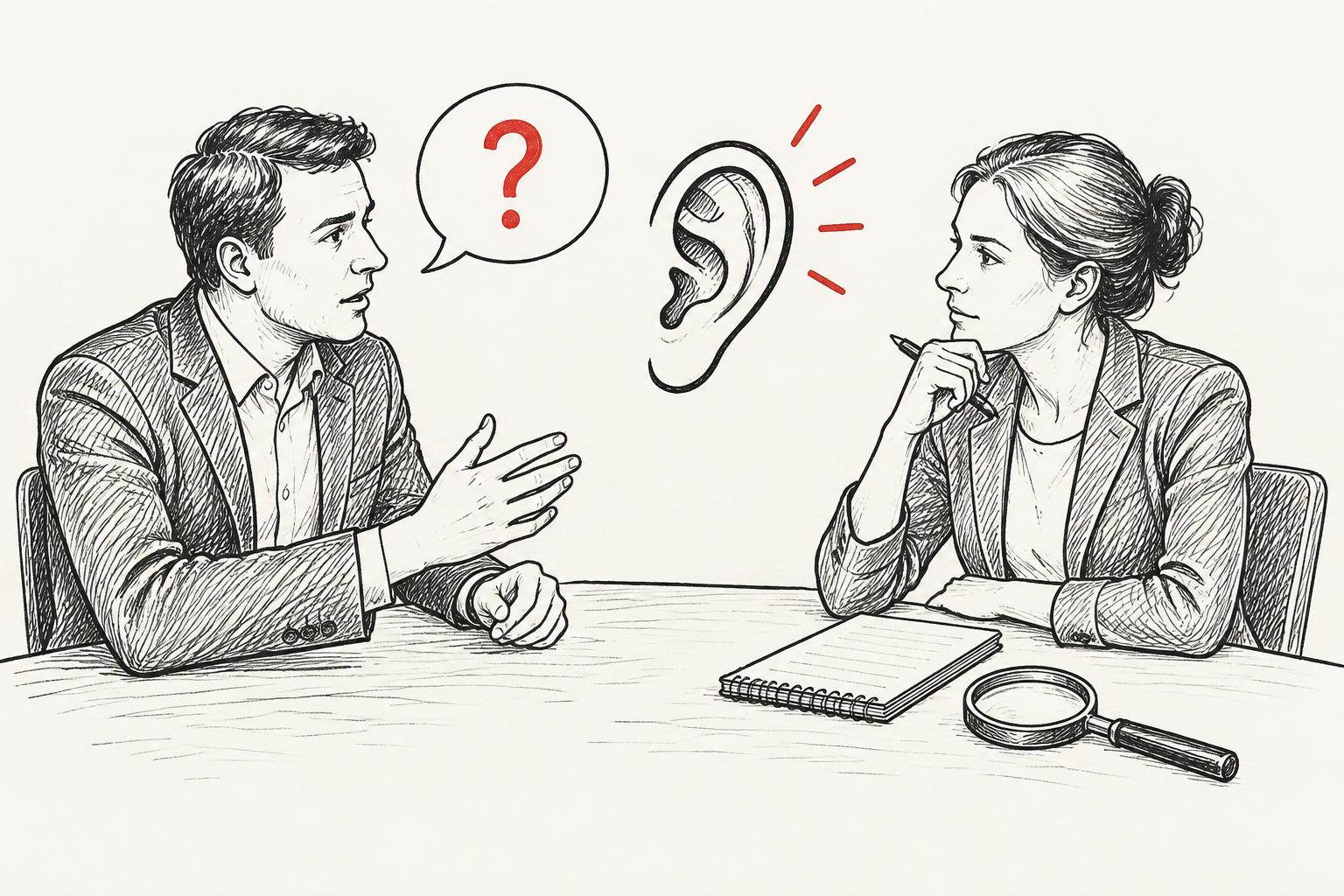
Teaching can be an effective part of selling when it helps the buyer understand a problem. It can also become a way for the adviser to avoid asking for business. The meeting fills with useful explanation, but no one knows what decision follows.
Choose the lesson that matters to the buying situation. A buyer considering an operational change may need to understand a tradeoff, a hidden dependency or the difference between two approaches. They probably do not need a complete history of the discipline.
Connect the explanation to their context. "Here is why these two metrics can move in opposite directions" is useful if those metrics influence the buyer's decision. The same explanation can be an impressive digression in another meeting.
Leave space for disagreement. Teaching should not place the seller above the buyer. Ask how the idea fits their experience and what it fails to explain. Their response may expose an assumption that needs changing.
At the end, make the next decision explicit. Does the new understanding justify an assessment, a different scope or no action? A useful lesson can lead to any of those outcomes.
Bound the free contribution. You can explain the reasoning behind an approach without performing the entire analysis. The distinction should be clear enough that the buyer knows when education ends and professional work begins.
Put it to work
A practical next step
Before a sales meeting, choose one concept that could materially improve the buyer's decision. Prepare a short example and a question that tests whether it applies to their situation.
Proposed practice, not a completed experiment. Illustrations are not client testimony.
Sources & limits
This essay is editorial interpretation from the supplied manuscript, not an empirical research report. No external study is cited for its recommendations.
Source: The work of winning trust, editorial review edition, 15 October 2026, p. 64. No publication history is inferred from its sequence dates.