
Tools & judgment · Essay 100
Trust is built in the correction
The Accidental Salesman Editorial Desk · 2 min read · Published 15 October 2026
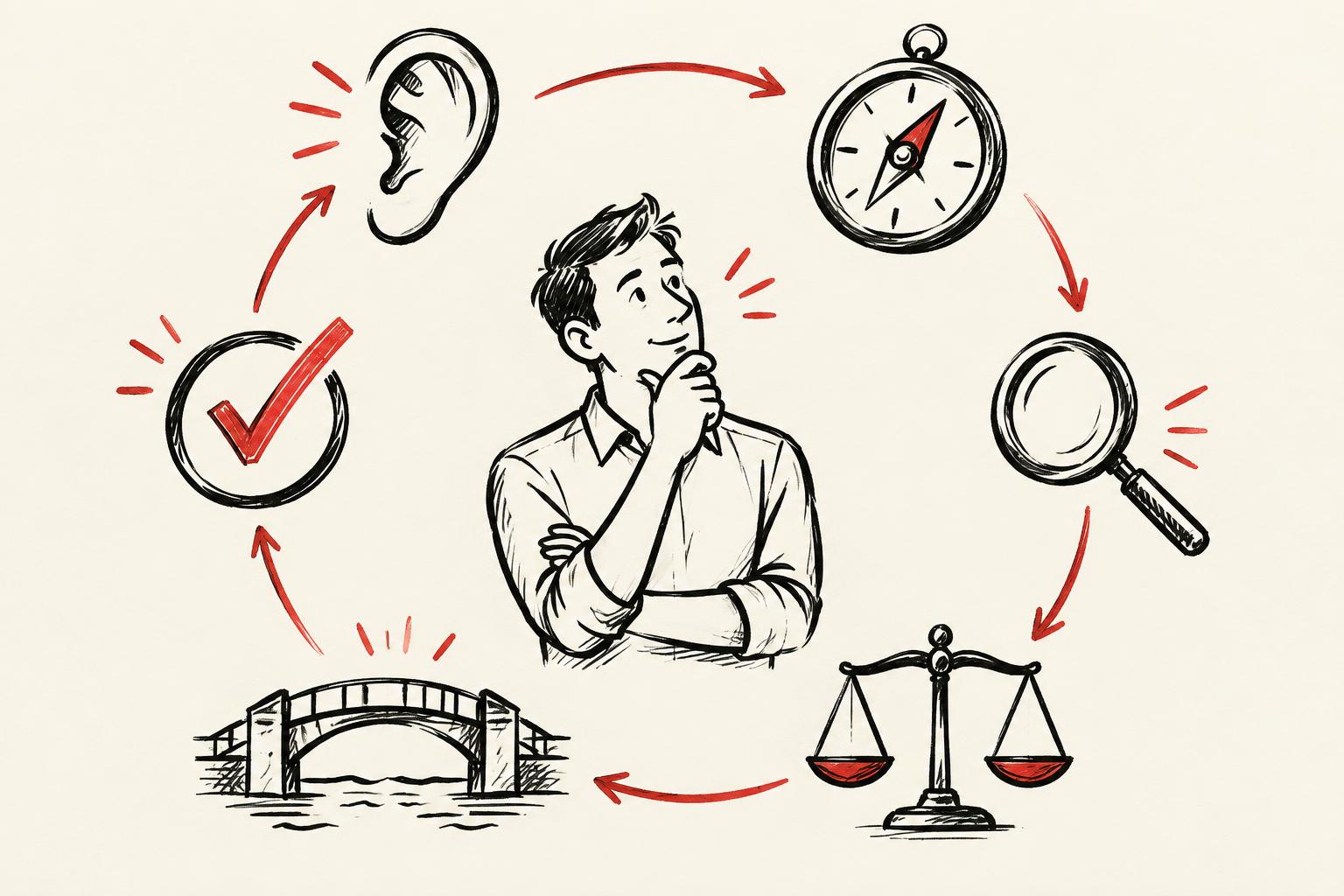
Every professional firm will make mistakes. The response determines whether the mistake remains a contained error or becomes evidence that the firm cannot be relied on. A quick defence may protect pride while increasing the client's uncertainty.
Establish what happened before explaining why. Identify the affected claim, document or decision and assess the consequences. If information is still incomplete, say what is known and when the next update will arrive.
Correct the record where it was used. Updating an internal file is insufficient if the original statement has influenced a client proposal, article or meeting. The correction should reach the people who need it, in proportion to the significance of the error.
Distinguish responsibility from blame. The immediate priority is to repair the work and prevent further harm. A later review can examine process, incentives and individual judgment without turning the initial response into an argument about fault.
For a publication, a correction note should explain what changed and why when the change affects meaning. Quietly replacing a material error can leave readers relying on an earlier version without knowing it is no longer dependable.
Trust does not require an impossible record of perfection. It requires a credible reason to believe that the firm will notice, acknowledge and repair important mistakes. That behaviour is part of the service readers and clients are entitled to evaluate.
Put it to work
A practical next step
Create a correction procedure with an owner, impact review, notification route and version record. Test it against a hypothetical wrong statistic in a widely used proposal.
Proposed practice, not a completed experiment. Illustrations are not client testimony.
Sources & limits
This essay is editorial interpretation from the supplied manuscript, not an empirical research report. No external study is cited for its recommendations.
Source: The work of winning trust, editorial review edition, 15 October 2026, p. 119. No publication history is inferred from its sequence dates.